
Joyce County SEC Energy Master Plan is funded and supported by the Sustainable Energy Authority of Ireland (SEAI) as part of it's Sustainable Energy Communities program
Faigheann Máistirphlean Fuinnimh PFI Dhúiche Sheoigheach maoiniú agus tacaíocht ó Údarás Fuinnimh Inmharthana na hÉireann (SEAI) faoi Chlár na bPobal Fuinnimh Inmharthana
We have been commissioned to conduct an Energy Master Plan (EMP) for Joyce Country SEC. This page will show updates to the plan, which will carry out an extensive survey of the community's energy use in the home, community buildings, transport, business, and agriculture. The finished EMP will also include recommendations for energy efficiencies, energy generation, and fossil fuel reductions to help make the Joyce Country region more sustainable.
An Energy Master Plan helps communities understand the energy demand and supply. Every community is encouraged to look at energy efficiency first. This is because energy efficiency work is typically low risk and has high payback. The Energy Master Plan is also a live record of the community's energy status and achievements. It will evolve to form the foundation for other applications and projects. For more information on the SEAI's Energy Master Plan initiative, please go to this link
For the purposes of this Energy Master Plan, The Joyce Country SEC area includes: Corr na Móna, An Fhairce, Cong, and Cross.

Save Energy, Cut Costs and reduce emissions – start with your home
Which of these homes from The Joyce Country area is like yours? Find out how it could be made energy efficient.
Many people qualify for fully funded upgrades – 100% grant supported
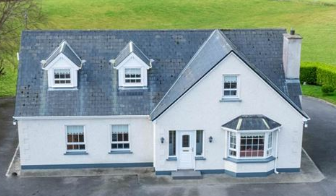
Detached 1997
| Total Building Area (m2): | 198 |
| Current Condition | C |
| Post Works | A |
| Cost Savings | €3,781 |
| Cabon Saved (tree equivalent) | 576 |
| Est Cost of Works nett grant. | €24,200 |
| Payback in years | 6.4 |
| Report Summary | LINK |
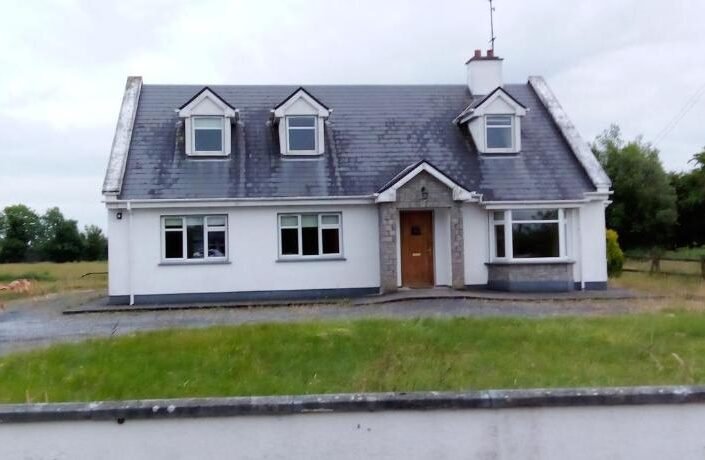
Detached, 1998
| Total Building Area (m2): | 203 |
| Current Condition | B |
| Post Works | A |
| Cost Savings | €1,622 |
| Cabon Saved (tree equivalent) | 446 |
| Est Cost of Works nett grant. | €32,300 |
| Payback in years | 19 |
| Report Summary | LINK >> |
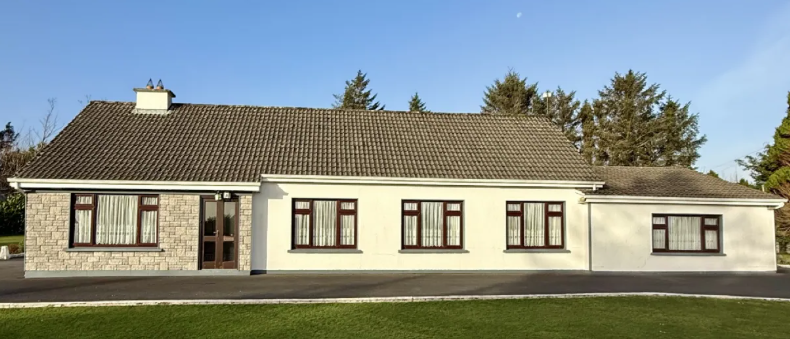
Detached, 2002
| Total Building Area (m2): | 242 |
| Current Condition | B |
| Post Works | A |
| Cost Savings | €2,288 |
| Cabon Saved (tree equivalent) | 494 |
| Est Cost of Works nett grant. | €36,600 |
| Payback in years | 15.7 |
| Report Summary | LINK >> |
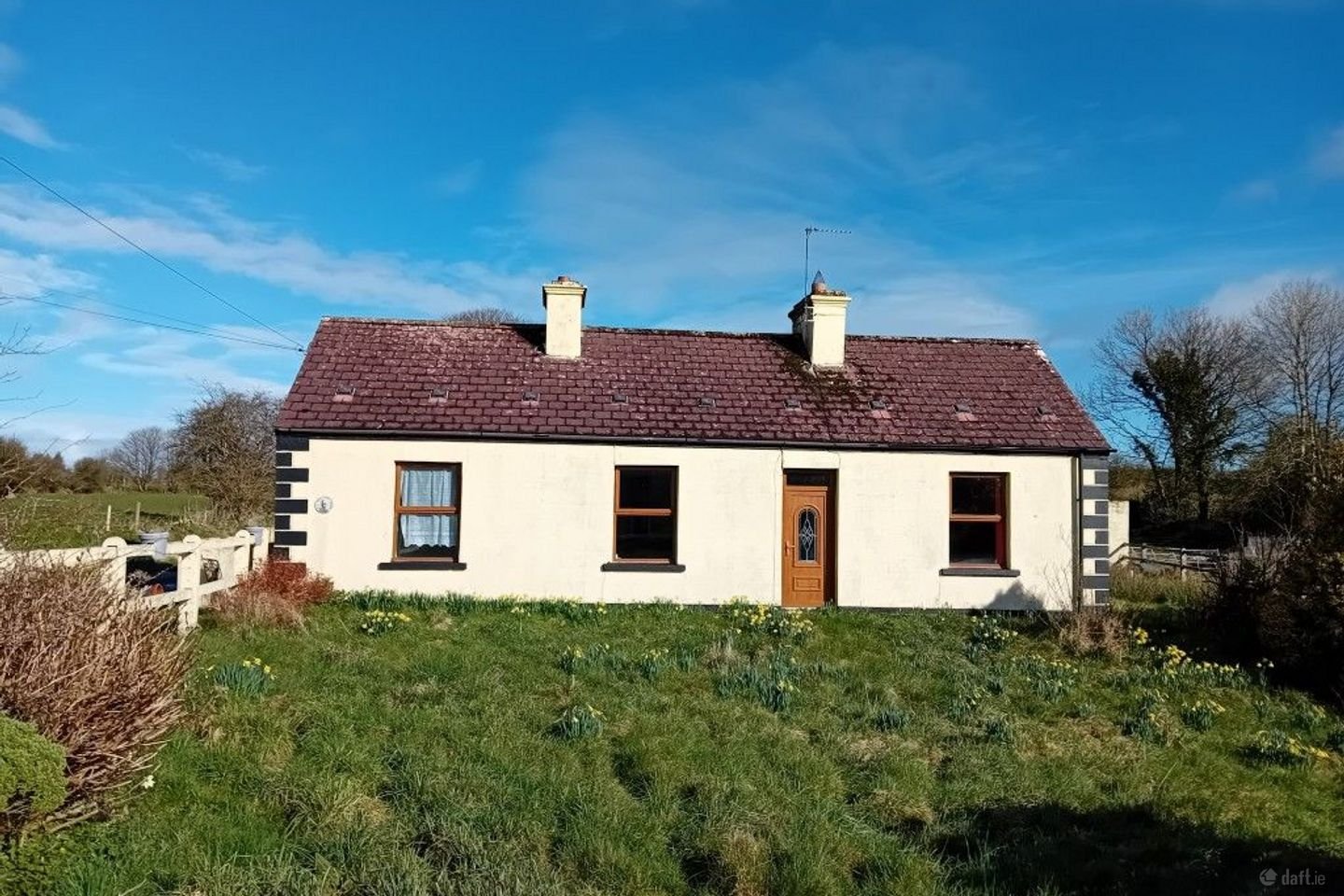
Detached, 1929
| Total Building Area (m2): | 74 |
| Current Condition | G |
| Post Works | A |
| Cost Savings | €2,586 |
| Cabon Saved (tree equivalent) | 457 |
| Est Cost of Works nett grant. | €29,100 |
| Payback in years | 11-20 |
| Report Summary | LINK >> |
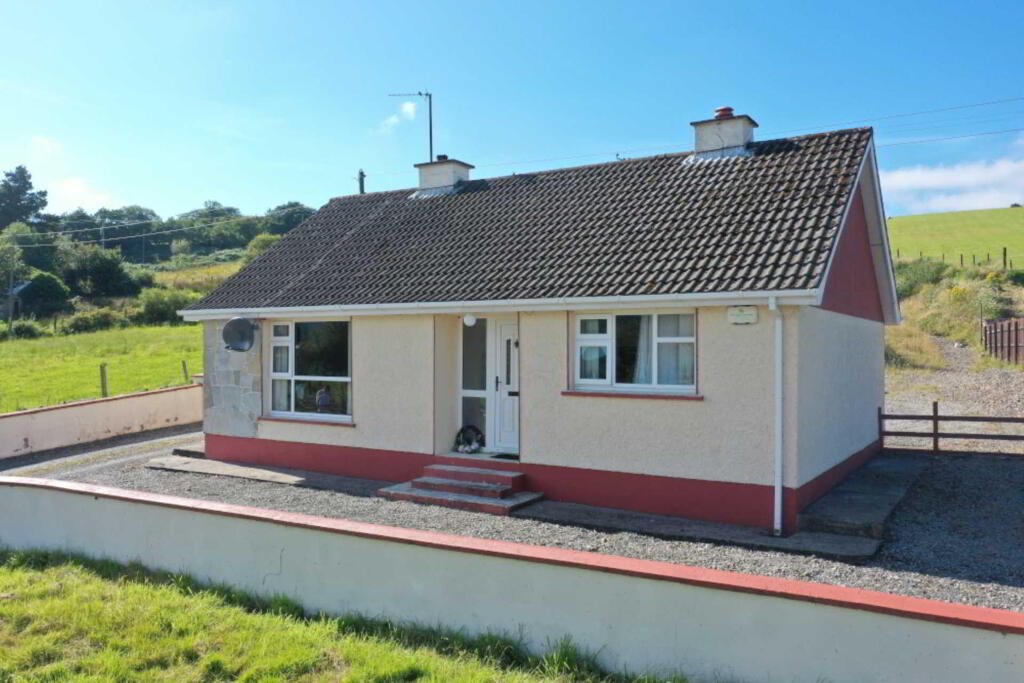
Detached, 1973
| Total Building Area (m2): | 65 |
| Current Condition | D |
| Post Works | A |
| Cost Savings | €1,513 |
| Cabon Saved (tree equivalent) | 292 |
| Est Cost of Works nett grant. | €21,600 |
| Payback in years | 14-18 |
| Report Summary | LINK >> |
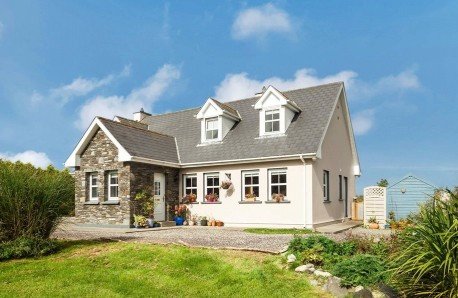
Detached 1999
| Total Building Area (m2): | 191 |
| Current Condition | C |
| Post Works | A |
| Cost Savings | €1,870 |
| Cabon Saved (tree equivalent) | 485 |
| Est Cost of Works nett grant. | €19.900 |
| Payback in years | 10.6 |
| Report Summary | LINK>> |
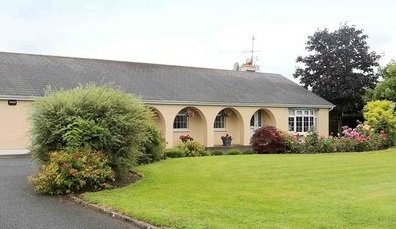
Detached, 1986
| Total Building Area (m2): | 142 |
| Current Condition | D |
| Post Works | A |
| Cost Savings | €3,016 |
| Cabon Saved (tree equivalent) | 564 |
| Est Cost of Works nett grant. | €28,100 |
| Payback in years | 9-11 |
| Report Summary | LINK >> |
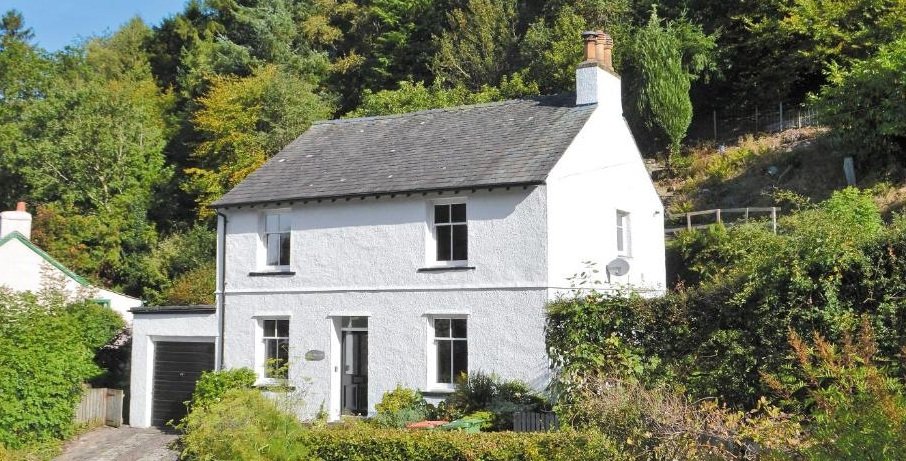
Detached, 1880
| Total Building Area (m2): | 174 |
| Current Condition | G |
| Post Works | A |
| Cost Savings | €3,800 |
| Cabon Saved (tree equivalent) | 1310 |
| Est Cost of Works nett grant. | €41,000 |
| Payback in years | 11 |
| Report Summary | LINK >> |
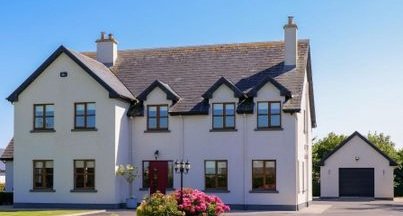
Detached, 2007
| Total Building Area (m2): | 231 |
| Current Condition | B |
| Post Works | A |
| Cost Savings | €2,313 |
| Cabon Saved (tree equivalent) | 542 |
| Est Cost of Works nett grant. | €15,800 |
| Payback in years | 6.8 |
| Report Summary | LINK >> |
Don't see a home like yours here? Check out the other West of Ireland homes we have done case studies on here.
Individual actions for homeowners
...some quick and easy sustainability ‘wins’ to save you energy and money as well as reducing carbon emissions
Step 1: Do Your Own Audit:
- Check windows, external doors, vents, floor spaces, fireplaces, and stoves with a stick of incense: and track down and eliminate draughts.
- Check insulation levels in attic, basement, walls (including the meter box), and floors
- Check your boiler and stove; what age are they? When were they last serviced?
- Collect energy bills and scrutinise them over a year or 2.
- To save money in the short term see if you need to change your electricity supplier.
Step 2: Actions to save 12% of your electricity costs and fossil fuel use:
- Turn everything off – don’t leave on standby (2% energy use reduction, 17.8kg CO2e)
- If you use an electric, immersion or power shower, educe shower times from 6 minutes daily down to 4 minutes (6.5% energy use reduction, 23.4kg CO2e)
- Use a clothes line when possible - no tumble dryer (7% energy use reduction, 25kg CO2e)
- Wash clothes @ 30 degrees (1% energy use reduction, 8.9kg CO2e)
- Use a microwave or airfryer when possible (2% energy use reduction, 17.8kg CO2e)
- Turn off lights when not in a room, replace bulbs with highest rated LEDs possible (A+ read the lables not all LEDs are the same) - change as they go so as to spread the cost (2% energy use reduction, 17.8kg CO2e).
These tips could reduce carbon emissions by the same amount as you'd offset by planting ten trees. It could also save you about €336 - that's for each person in the house - €841.50 for the average family.
Step 3: Save energy by thinking about the way you control and use heat
- Maintain room temperature 19C (this can save up to €350 every year for each degree lower you heat the house)
- Close the curtains at dusk to keep heat in the room that would otherwise be lost through the cold windows, and you could save up to 10% of your heating costs.
- Consider fitting shelves above radiators as they redirect the warm air that rises from them back into the room.
- Ventilate your house 3 to 5 minutes, a couple of times a day, instead of opening windows a little bit all day. Shut off your heating, during ventilation. This can reduce heat loss by 16%.
- Bleed your radiators regularly. If there is air in your radiator your boiler burns longer. Always start with the lowest and end with the highest radiator.
Home Retrofits: Make your home cozier, save money and reduce carbon emissions
Fully Funded Upgrade
Qualifying* homeowners receiving certain welfare benefits: All home upgrade costs covered by SEAI
Service is managed by SEAI and includes:
- home survey
- contractor selection
- contractor works 100% funded
- follow up BER
Homes built and occupied before 2006
*Receiving one of:
- Fuel Allowance
- Job Seekers Allowance
- Working Family Payment
- One-Parent Family Payment
- Domiciliary Care Allowance
- Carers Allowance
- Disability Allowance
One Stop Shop Service
This can be grant funded by SEAI 45 - 50% of the cost for a typical family home
One Stop Shop contractor manages upgrade including:
- home energy assessment
- grant application
- project management
- upgrade to a minimum B2 BER
- contractor works
- homeowner pays for the works net of grant
- follow up BER
For homes built and occupied before:
- 2011 for insulation and heating controls
- 2011 for renewable systems
We would recommend the One Stop Shop services over the meausure-by-measure. The risk to the homeowner is greatly reduced.
Individual Upgrade Grants
Up to 50% of the cost of the upgrade for a typical family home with SEAI grants
Homeowners manage their own upgrades including:
- contractor selection
- grant application
- contractor works
- pay for full cost of works and claim grants afterwards
- follow up BER
For homes built and occupied before:
- 2011 for insulation and heating controls
- 2021 for heat pumps and renewable system